


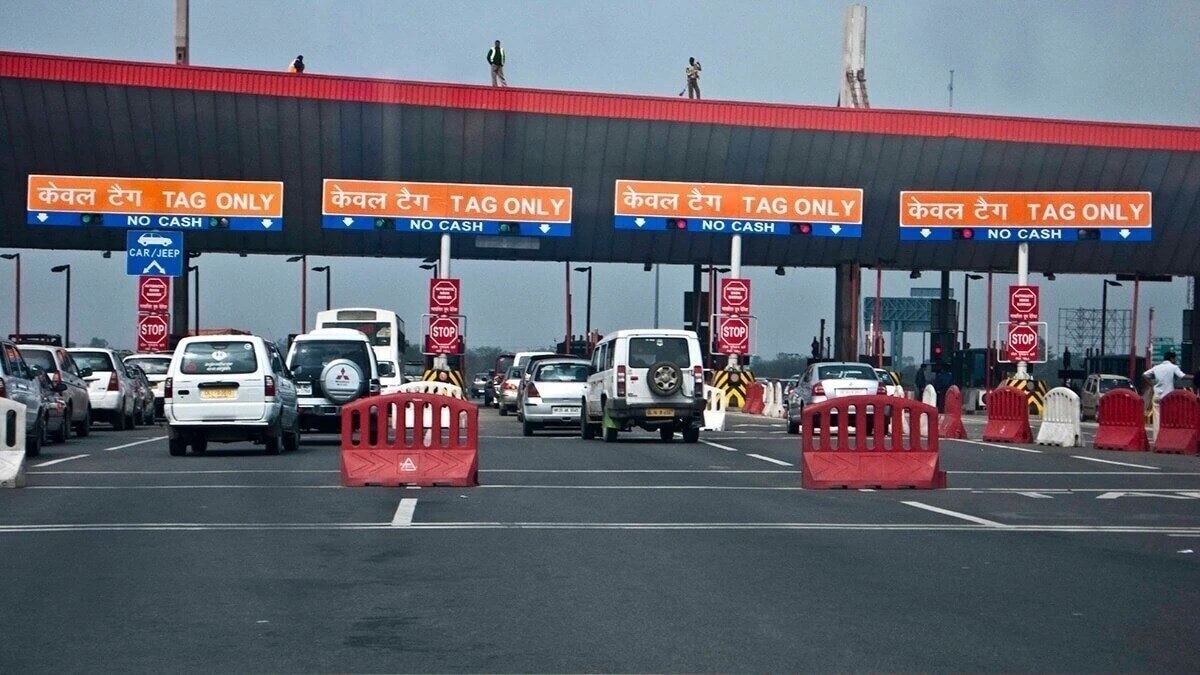
The government is planning to discontinue cash payments at National Highway toll plazas nationwide from April 1, 2026, in a major push to create a fully digital tolling ecosystem. According to an official statement issued Friday, all toll transactions would be processed exclusively through electronic modes such as FASTag and Unified Payments Interface (UPI), if the proposal is implemented.
The National Highways Authority of India (NHAI) is currently evaluating the transition as part of a broader strategy to enhance operational efficiency, improve traffic flow, and modernise highway infrastructure through technology-led solutions. Officials said the move is intended to consolidate gains made under the Electronic Toll Collection programme, which has already transformed tolling operations across the country.
FASTag penetration has crossed 98% in recent years, making it the dominant mode of toll payment. The RFID-based system enables automatic deduction of toll charges without requiring vehicles to stop, allowing seamless movement across plazas. In parallel, UPI payment facilities have been introduced at toll booths, offering commuters an instant digital payment alternative.
Under existing National Highway fee rules, vehicles without a functional FASTag that pay in cash are charged double the applicable toll fee. By contrast, commuters opting for UPI payments are charged 1.25 times the base user fee. Authorities say such pricing measures have already helped reduce reliance on cash transactions and encouraged digital adoption.
Eliminating cash transactions entirely is expected to streamline traffic management, minimise delays, and bring greater consistency and transparency to toll collection.
If rolled out, the policy would apply to more than 1,150 toll plazas operating across National Highways and expressways nationwide. Officials believe the shift will significantly improve commuter experience while strengthening the reliability of toll operations.
The proposal aligns with the government’s broader push toward digital infrastructure and contactless services in transport systems. Policymakers argue that a fully digital tolling network will not only reduce operational friction but also support real-time monitoring, data-driven traffic management, and better enforcement.
A final decision on implementation is expected closer to the proposed deadline, after consultations and system readiness assessments. If approved, India would join a growing list of countries moving toward cashless highway tolling as part of next-generation mobility infrastructure.
Source link
#Cash #payments #highway #tolls #April #Govt #pushes #full #digital #collection #BusinessToday

