


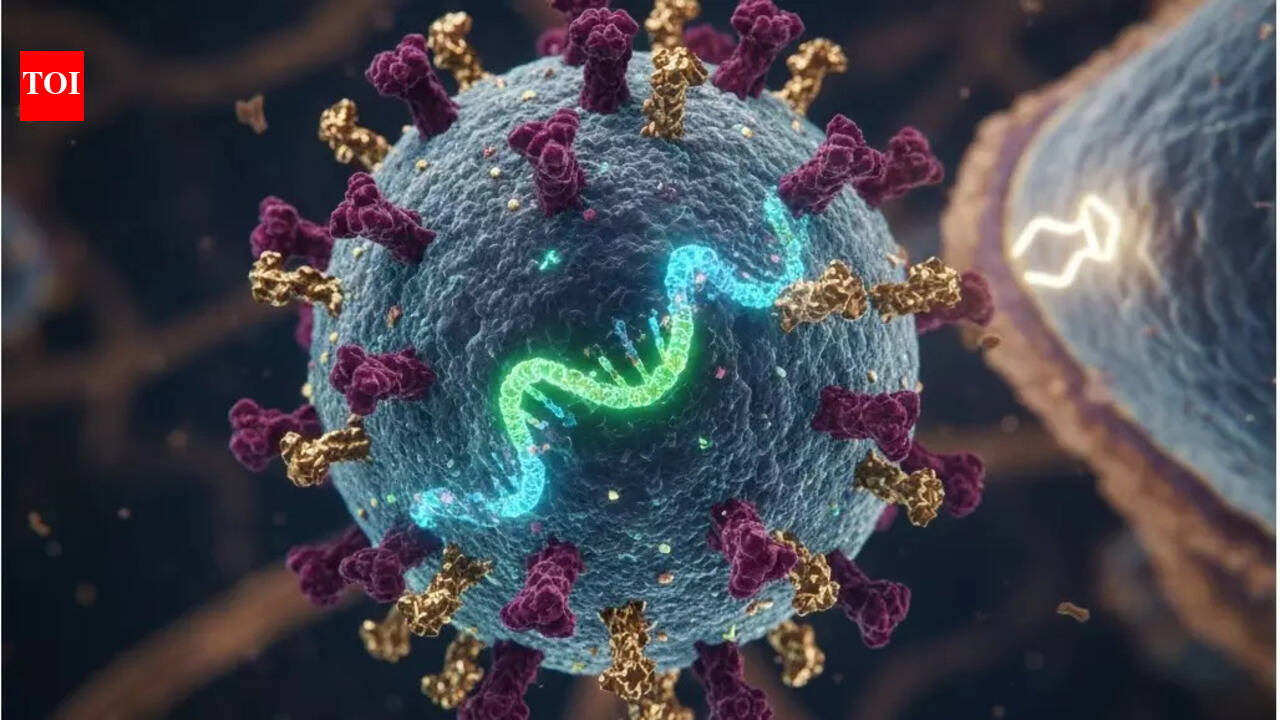
The UAE has officially entered a new era of “precision medicine.” Moving away from simply managing symptoms, Emirates Health Services (EHS) recently unveiled two ambitious gene therapy projects designed to strike at the root causes of autism and rare brain disorders. By leveraging genetic engineering, the UAE isn’t just treating patients, it’s aiming to “repair” the biological blueprints that cause these conditions in the first place.
Gene therapy in the UAE
The United Arab Emirates has unveiled two groundbreaking gene therapy projects focused on treating serious neurological and genetic conditions in children. These efforts mark a major shift from conventional symptom-based care to tackling the underlying genetic causes of disease, potentially transforming neurodevelopmental healthcare in the region.One key project focuses on genetic causes linked to autism and epilepsy. It is being developed in collaboration with the Children’s Hospital of Philadelphia (CHOP), a world-renowned paediatric research centre.Scientists will work on enhanced gene delivery systems that target specific brain cells, which could:
- Improve treatment effectiveness
- Reduce required doses
- Increase overall safety
- Lower long-term treatment costs
The project specifically includes rare conditions such as Beta-Propeller Protein-Associated Neurodegeneration (BPAN), a disorder that often begins in childhood with autism-like symptoms and seizures before progressing to serious motor and cognitive decline.This strategy represents a major scientific shift because it aims to treat the root genetic causes rather than just managing symptoms.
Genetic interventions for brain disorders
The second gene therapy initiative centres on neurodegenerative diseases. Researchers will explore methods to repair faulty genes and use advanced techniques such as:
- Cell-based therapy models to study disease progression
- Biomarker identification to track disease and treatment response
- Tools to better understand how brain diseases evolve over time
Artificial intelligence and data analytics will help researchers make sense of genetic information collected through national programmes like the Emirati Genome Programme, enabling earlier diagnosis and intervention for children at higher risk.This approach relies on cutting-edge technology and global expertise to refine treatment precision and open doors for future inherited disease therapies.
The UAE’s healthcare vision
Leading experts at EHS described the projects as part of a “strategic shift” in healthcare, moving from traditional care models to evidence-based, innovation-driven treatments that directly address the causes of genetic disease.Dr Issam Al Zarooni, Executive Director of Medical Services at EHS, highlighted that this direction aims to improve quality of life and local capabilities in advanced medicine and biotechnology.Meanwhile, Dr. Noor Al Mheiri, Director of Mental Health and Visiting Physicians at EHS, stressed that integrating scientific research with responsible clinical application is key to reducing the psychological, social, and economic burdens families face.
Why this matters?
Autism and rare neurogenetic disorders affect thousands of families globally and in the UAE. Researchers have long been exploring genetic and early diagnostic methods, including genome sequencing and machine-learning diagnostic tools, to better understand and detect these conditions.The new UAE projects build on this broader scientific momentum, offering hope for earlier, more effective, and personalised treatments that could one day change how conditions like monogenic autism and other brain diseases are treated.
Source link
#Uae #Gene #Therapy #UAE #launches #pioneering #gene #therapy #treat #autism #rare #brain #disorders #children #World #News #Times #India

