




For charities, any substantial investment and needs to deliver a strong impact to the organisation – so ensuring maximum value is achieved from technology selection means partnering with the right provider who truly understands and aligns with an organisation’s unique values. Specialist change management consultancy Nine Feet Tall has published a new paper designed to support charities with this process.
According to data released in 2025 by His Majesty’s Revenues and Customs (HMRC), the volume of people donating to charities is declining, raising concerns as to the sustainability of third-sector funding. Elsewhere, the biggest survey of pension scheme funding in the UK third sector found that around seven-in-ten have less than £10 million in their defined benefit scheme, leaving them open to higher running costs and limited insurance options. With finances so finely balanced for many non-profit sector organisations, fraud is a cost few can afford. But according to more recent research, 34% have reported incidents of fraud or attempted fraud in the last 12 months.
Amid all this, charities need to ensure that when they have to invest in vital infrastructure, they do not waste a penny. But implementing technological change, and finding the right partner for it, presents a number of challenges. To help ensure the best transition possible, Nine Feet Tall has published a free-to-download paper on the firm’s website, entitled ‘Big Impact: How charities can get maximum value through technology selection’.
Tiggy McCool, partner at Nine Feet Tall, commented, “Choosing the right technology solution helps organisations to scale and grow, as well as helping teams to function more effectively. For charities, this can mean a significant investment both in terms of financial outlay and internal resource, making it vital that digital programmes are set up correctly from the outset. We created this guide to help teams make better-informed decisions, which could ultimately lead to greater confidence that the selected system meets organisational needs.”
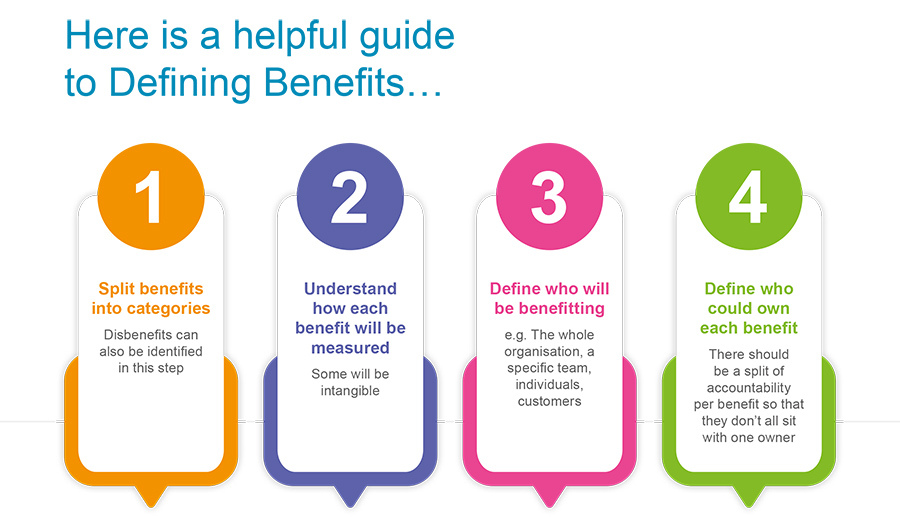
Source: NineFeetTall
Five-step programme
Nine Feet Tall has supported a wide range of clients to select and implement technology solutions that enable them to operate more effectively, including charities such as St John’s Foundation, St Peter’s Hospice, and UK Youth, as well as global companies such as sustainable development firm Chemonics and multinational law firm Osborne Clarke. Drawing on that knowhow, the paper sets out five key steps organisations can take to achieve greater clarity and consistency across their systems.
Step one involves finding a ‘North Star’, or defining a vision and high-level requirements for a change. Charities must know which problems they are trying to solve through this programme, what they are unable to do right now that they want to be able to do in the future, and what impact the issue has on their current strategy.
Step two requires charities to establish their baseline. A successful digital transformation relies on knowing where an organisation currently stands – so they should carry out a digital maturity assessment to benchmark current technology usage, processes, and user skills.
Step three involves identifying opportunities and trends in and outside the charity sector. Here, charities need to make themselves aware of sector trends and how they may be relevant to their context and beneficiary needs.
Step four sees charities identify benefits and likely payback. This is important if a charity is to accurately measure the impact of changes and their return on investment – which also feeds into more-effectively undertaking this process ahead of future changes.
Step five meanwhile concludes that charities must be confident in making the right partner choice. A provider should not only deliver technical capability, but also share and respect the charity’s values, ensuring alignment with its mission and culture. This value-led approach fosters trust and collaboration, which are essential for long-term success.
“As a chair of a charity myself, knowing the executive team has a structured and robust approach to conducting technology selection helps to assure the Board that there is appropriate governance in place and that risks are being managed to get to a good outcome,” McCool added.
Source link
#charities #ace #technology #selection #boost #key #mission

