


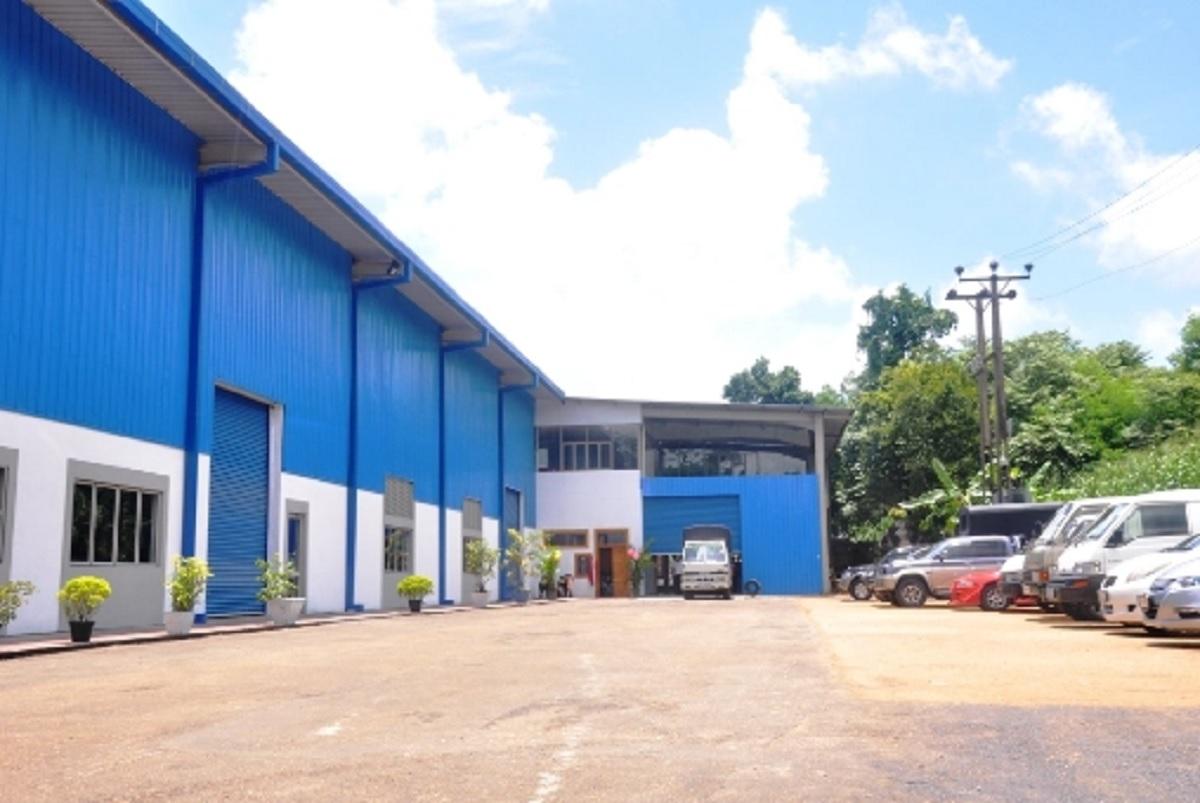
Austrian lifting solutions major Palfinger has entered into a strategic partnership with TVS Mobility Group to strengthen its India presence, committing an initial investment of €30 million (around ₹350 crore) to set up a manufacturing facility in Pune.
The plant, expected to be operational by end-2027, marks Palfinger’s most significant localisation move in the country since it entered India in 2007.
Under the agreement, TVS Mobility Group will act as Palfinger’s end-to-end mobility partner in India. It would provide integrated support across supply chain, logistics, sales, service, spare parts distribution and aftermarket operations.
The partnership goes beyond a conventional distributor model, with a strong focus on uptime, service responsiveness and operating solutions for customers in remote and infrastructure-heavy locations.
“This partnership is about coming closer to the customer,” said Andreas Klauser, chief executive officer (CEO) of Palfinger, adding that India has emerged as the company’s single-largest growth opportunity under its new ‘Strategy 2030 plus’.
Palfinger, which reported global revenues of about €2.5 billion, expects India to eventually contribute a double-digit share of its global revenues.
The Pune facility would have an initial annual capacity of over 1,000 units, primarily truck-mounted cranes, along with key steel components. These will cater not only to domestic demand but also export markets across Asia-Pacific and other regions. The first phase of the project is expected to generate employment for around 200 people, with scope for capacity expansion built into the site.
India’s infrastructure push — spanning railways, metros, highways, housing, solid waste management and defence — has been a key driver behind the investment decision.
“The market is evolving rapidly. As projects move into Tier-II and III cities and remote locations, uptime becomes the real differentiator,” Klauser said.
R Dinesh, director — TVS Mobility Group — said TVS Mobility Group’s role would span the entire lifecycle of Palfinger’s products in India.
“Manufacturers entering India look for three things: the supply chain, sales support and aftermarket service. Our group brings all three together,” he said.
The group will also support equipment installation, warehousing, time-critical spare parts delivery and, where required, operating and rental solutions.
Currently, most Palfinger equipment sold in India is imported and assembled locally.
With localisation, the company expects cost savings of up to 30 per cent, which could significantly broaden adoption across sectors.
“Lower costs expand use cases and make advanced lifting solutions viable for more customers,” said Santhosh Rao, senior vice-president — Asia-Pacific (sales & service) at Palfinger.
Alongside manufacturing, Palfinger has also set up a global engineering centre in Pune in partnership with L&T Technology Services. The centre will support product development and engineering work for global markets.
The partnership with TVS Mobility Group is exclusive for products manufactured in India and has no fixed end date, reflecting the long-term nature of the collaboration.
While there is no equity participation, both sides described the alliance as strategic and central to Palfinger’s India growth plans.
With localisation, engineering capability and a nationwide service network coming together, Palfinger is positioning India not just as a large domestic market, but as a manufacturing and export hub also.
Source link
#TVS #Mobility #Palfinger #jointly #set #crore #manufacturing #plant

