


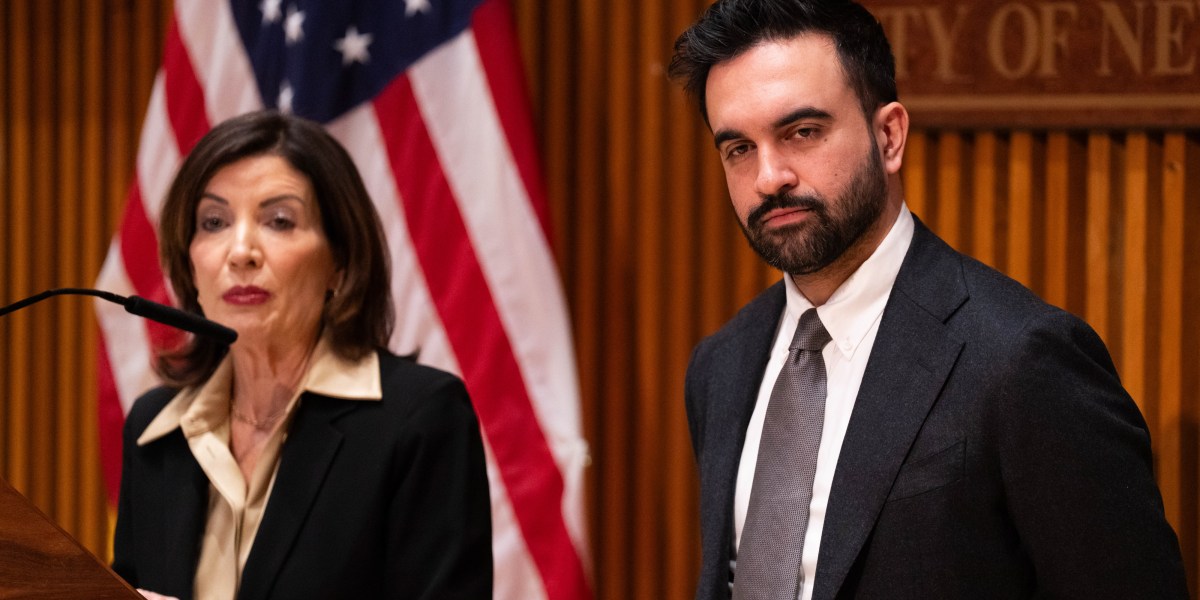
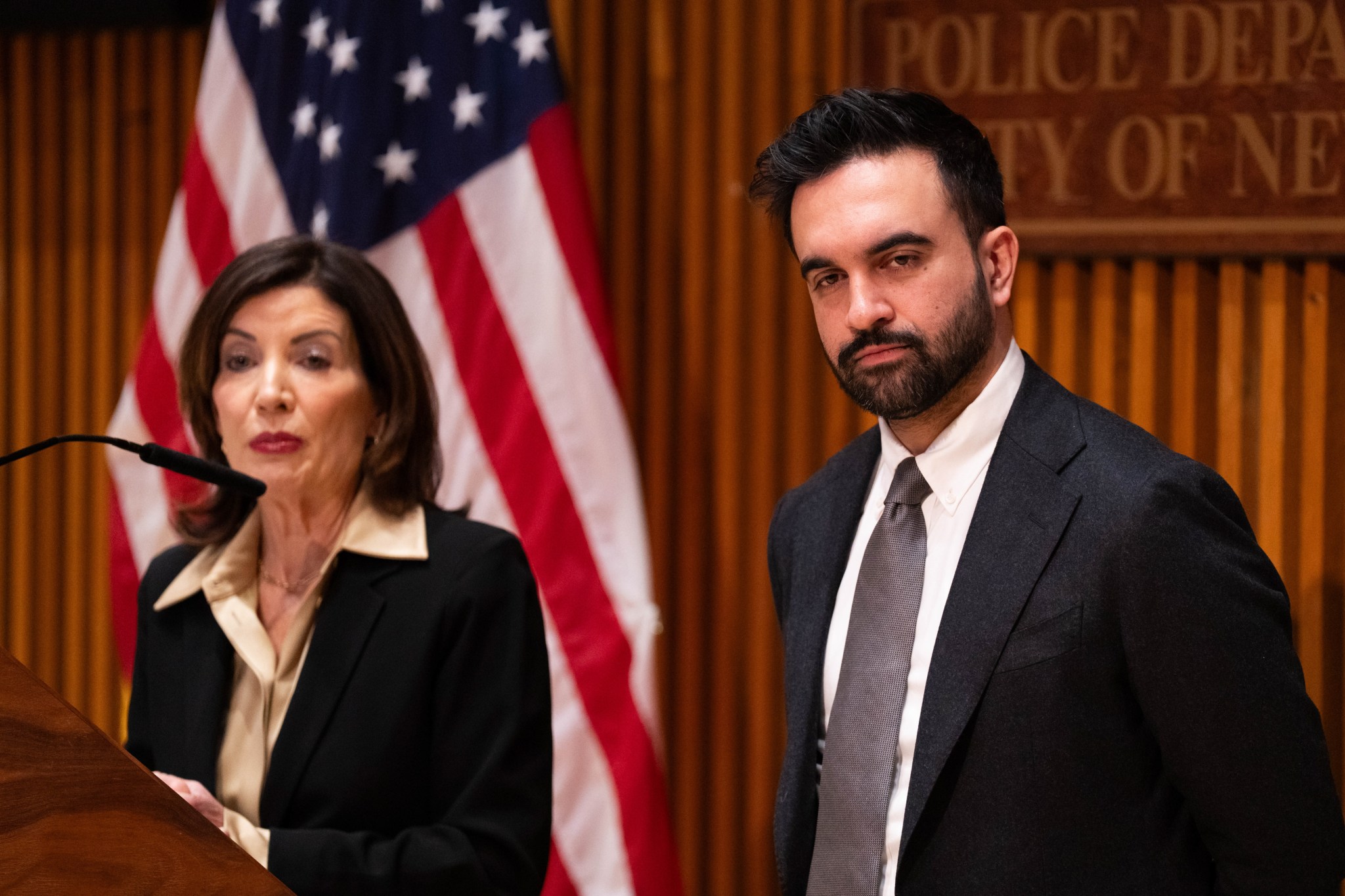
In an effort to curb the city’s projected $5.4 billion budget shortfall, newly elected New York City Mayor Zohran Mamdani is offering an ultimatum to New York Gov. Kathy Hochul: either tax the ultra-wealthy, or the middle class is going to pay the bill.
The mayor announced the plan in a preliminary budget proposal on Tuesday, threatening city homeowners with a 9.5% property tax hike should the governor opt not raise income taxes on the ultra wealthy.
“The onus for resolving this crisis should not be placed on the backs of working and middle class New Yorkers,” said Mamdani, arguing the property tax hike would be the city’s “last resort” to address the budget shortfall. The tax increase is estimated to affect more than 3 million households across the five boroughs, and over 100,000 commercial properties, generating an estimated $3.7 billion in annual revenue.
This is a big ask, as property owners in New York City shoulder a greater tax burden than much of the country. In 2022, property taxes represented more than 27% of homeownership costs citywide, compared with the national average of 22.6%, according to the state comptroller’s office. Property taxes are already the city’s largest single source of tax revenue, generating $31.8 billion in 2023 and accounting for 44% of total tax collections.
Statewide, the gap is even more pronounced. New York’s effective property tax rate of 1.45% is nearly double the national average (0.89%), according to Smart Asset. New York has one of the highest average property tax rates in the country. Only four states levy a higher property tax rate, according to WalletHub. On average, New Yorkers pay $6,582 annually in property taxes, based on the state’s median home value of $423,800. In New York City, where the median home price reached a record $800,000 in the third quarter of 2025, the tax burden rises to $12,441.
Income taxes are similarly concentrated. In 2023, New York millionaires paid 41% of all personal income tax, according to the state’s Department of Finance. The bottom 50% of earners paid 0.2%, as compared to the top 200,000 taxpayers, who paid roughly half of all personal income tax. High earners in New York City also face the nation’s highest marginal tax rate of 14.8%, with California trailing closing behind at 13%.
“If we do not fix this structural imbalance and do not heed the calls of New Yorkers to raise taxes on the wealthy, this crisis will not disappear,” Mamdani said during the announcement. “It will simply return, year after year, forcing harder and harsher choices each time.” Here’s why Mamdani is pushing Hochul—who emerged as a close ally during Mamdani’s 2025 campaign—on this issue so intensely.
Taxes must be paid, but by who?
Raising property taxes falls under the mayor’s and City Council’s purview, but increasing income taxes requires the governor’s and Albany’s approval. Mamdani and his supporters are arguing the latter would be the “most sustainable and the fairest” of the two options, and have gone as far as threatening Hochul with voter retribution at the polls when she seeks reelection later this year.
“We will spend the coming months doing everything in our power to ensure that our final budget reflects the first path,” said Mamdani. “But we cannot do so without either significant structural changes in Albany or painful decisions of last resort here at home.”
The mayor’s proposal comes at the heels of a joint announcement a day earlier in which the governor committed over $1.5 billion over the next two years to support the city’s operating expenses.
“A strong New York City means a stronger New York State,” Hochul said in a statement on Monday. “New Yorkers expect the state and the city to work together, and I’m proud to partner with the Mayor to deliver for working families.”
Mamdani credited the collaboration between city and state, but reiterated the impact that homeowners would bear should Albany fail to act.
“Working New Yorkers did not create this budget crisis and they should not be the ones to pay for it,” his statement read. “This is what it looks like to begin a new, productive, and fair relationship between City Hall and Albany – focused on delivering for working New Yorkers.”
The city’s shortfall comes after years of “mismanagement” from the previous administration under former Mayor Eric Adams, argued Mamdani. The deficit was narrowed from $12 billion to $5.4 billion thanks in part to deploying in-year reserves and new state funding measures.
This isn’t the first time the new mayor’s administration has come under fire for stances regarding home ownership in the city. Mayoral advisor Cea Weaver came under fire earlier this year for an August 2019 post on X, then known as Twitter, in which Weaver wrote, “Private property including and kind of ESPECIALLY homeownership is a weapon of white supremacy masquerading as ‘wealth building’ public policy.” (Mamdani stood by Weaver through the ensuing local news firestorm.)
Source link
#Zohran #Mamdani #threatening #soak #middle #class #tax #rich #Fortune

