


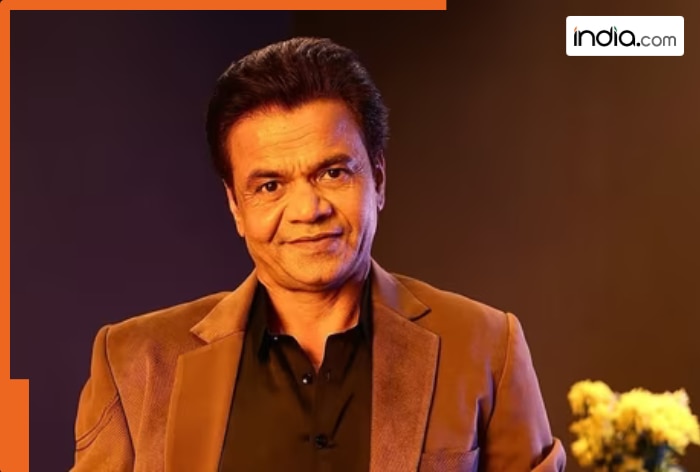
Actor Rajpal Yadav walked out of Delhi’s Tihar Jail on February 17 after being granted interim bail by the Delhi High Court in connection with a Rs 9 crore debt and cheque-bounce case. The development has once again brought attention to a financial dispute that has lingered for over a decade, involving businessman Madhav Gopal Agarwal, owner of Murali Projects Pvt Ltd.
According to Agarwal, the matter dates back to 2010–2011, when the actor approached him seeking urgent financial assistance for his film project. In an interview with News Pinch, the businessman claimed that Rajpal Yadav, through MP Mithilesh Kumar Katheria, conveyed that his film was nearly complete and that without immediate funds, “everything will go to waste”.
How the loan agreement took shape
Agarwal stated that he was initially reluctant, as he was not in the business of large-scale financing. However, he alleged that repeated messages from the actor’s wife, Radha Yadav, over several days emotionally pressured him into reconsidering. Eventually, an agreement worth Rs 8 crore was finalised, and he loaned the amount.
He emphasised that the transaction was strictly a loan and not an investment. According to him, Rajpal Yadav and his wife provided a personal guarantee along with a promissory note and post-dated cheques, conditions typically associated with loans rather than film investments.

Businessman claims he ‘cried like a child’
During mediation in 2015, Agarwal said he pleaded for a one-time settlement. “I even said, please give my money in one go and we’ll forget everything that happened. But he said he couldn’t pay it in one go. I even went to his house in Mumbai three to four times, and twice I literally cried like a child because I had also borrowed money from someone else. We are also paying interest to the bank.”
With interim bail now granted by the Delhi High Court, the legal battle remains ongoing. The case continues to highlight the complexities that can arise when film financing, personal guarantees and legal obligations intersect in the entertainment industry.
Supplementary agreements and cheque bounce
As the repayment deadline approached, Agarwal claimed he was informed that the film remained incomplete and funds were unavailable. This led to a supplementary agreement in 2012. He alleged that revised cheques were issued multiple times and that the supplementary agreement had to be redrafted on three occasions.
The dispute intensified around the release of the film Ata Pata Laapata. Agarwal said that upon seeing actor Amitabh Bachchan launch the film’s music, he believed repayment should precede the release, especially as the film’s negative publicity had reportedly been used as collateral. A temporary stay on the film was sought, but was later lifted after assurances of repayment post-release. The film, however, failed commercially.
He further revealed, “In 2013, he filed an application in the Delhi High Court asking if Murli Projects could settle the matter for Rs 10.40 crore. The High Court asked us if we could agree, and since a significant amount was due as per the agreement, we thought whatever money comes in is fine, and we gave our consent. Rajpal then submitted cheques in the Delhi HC, and they were handed over to us. But all those cheques (seven cheques) bounced.”
Source link
#Rajpal #Yadav #Cheque #Bounce #Case #Businessman #claims #cried #child #seeking #crore #repayment

