


When 27-year-old sitarist Rishab Rikhiram Sharma began performing a couple of years ago in shows that began circulating as neatly edited Instagram reels soon after, the visual imagery was hard to miss. One saw him in flowing, elaborate angrakha kurtas, layered necklaces and henna tracing the back of his hands. Seated with the sitar under the spotlight, he’d play and sometimes also sing along. In the world of classical music, where authority comes from riyaaz and not one’s wardrobe, Rishabh’s image and presentation gained a lot of popularity. In all of this mix, he called himself the ‘youngest and last disciple’ of sitar giant Pandit Ravi Shankar.
ARTICLE CONTINUES BELOW VIDEO
In the classical music universe, where reputation is slowly built, the claim offered credibility to his music, contributing to his profile as a musician. Paired with this newfangled visual imagery, unlike that of any other classical musician, there was also a monumental legacy and this combination was marketable. His concerts have been selling out for a while now, even though there are, by any basic musical measure, sitarists of greater depth and longer training on the circuit.

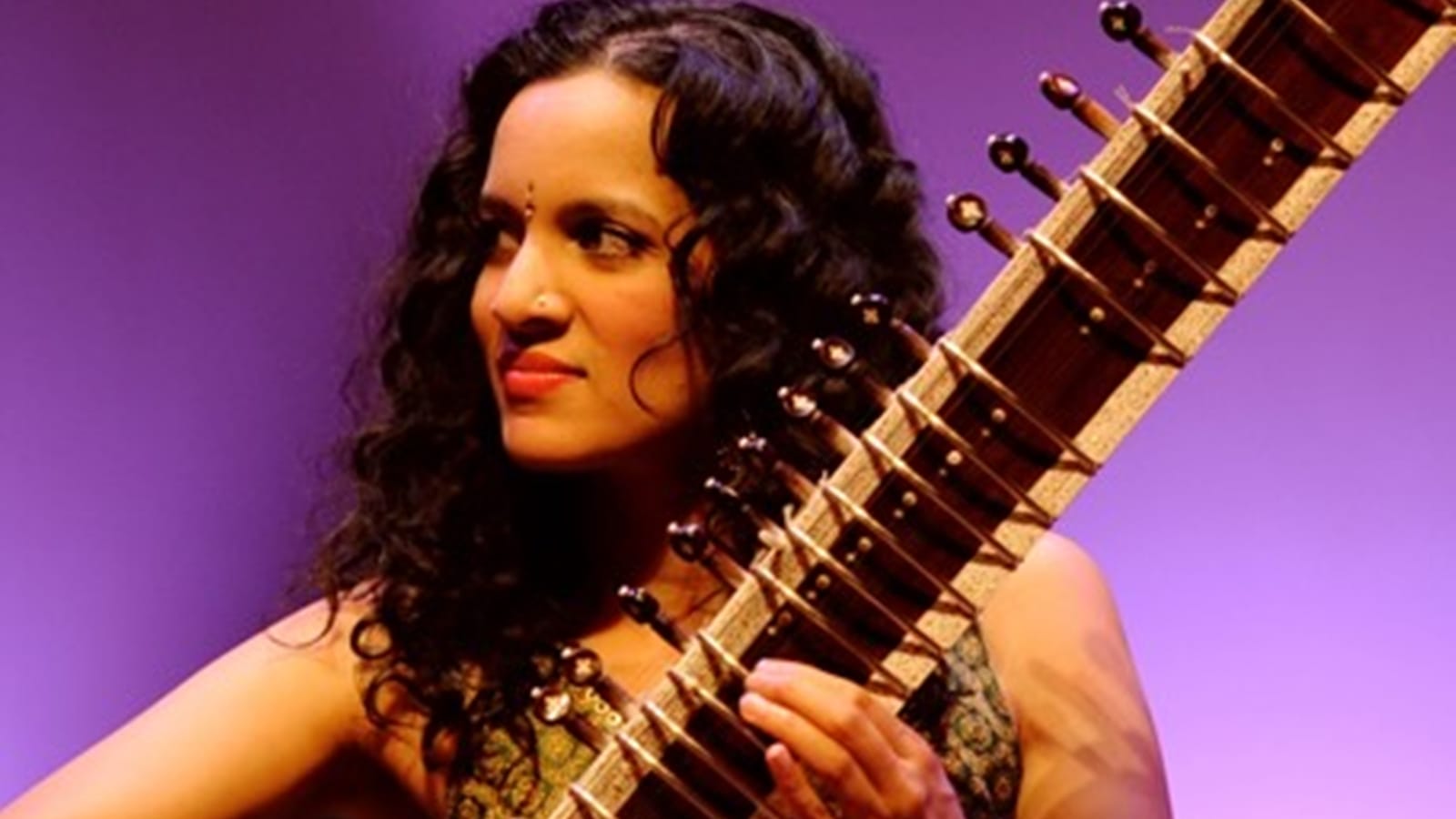
Things were going well for Rishab, when Shankar’s daughter and 42-year-old sitar player Anoushka Shankar flipped the script last week. After calling Rishab “talented”, she said that there was some “misunderstanding about his guruship”. “He learnt very intensively with someone very dear to me, one of my father’s senior disciples Parimal Sadaphal, and he had a couple of lessons with my father, very informally, with Parimal uncle also in the room… We knew him from childhood because he was the son of our instrument maker Sanjay Rikhiram Sharma. So somehow that has got blown up into some story of him being his last disciple or the youngest disciple, which isn’t true…,” said Anoushka in a conversation with an interview to Humans Of Bombay.
Rishab, on Friday, responded with an official statement, describing, in detail, his Ganda bandhan ceremony (official thread ceremony symbolic of a guru’s acceptance of a formal disciple) from January 2012. Rishab also mentions a session where Pt Ravi Shankar asked him to perform the same raag that his wife Sukanya Shankar had played for him on YouTube in the US. “He listened attentively, demonstrated and corrected the composition, and conducted a formal lesson lasting several hours. Panditji clarified that while he might not always be physically present, Pandit Parimal Sadaphal would supervise structured training, with periodic remote progress reviews,” said Rishab’s statement. The statement also mentions that at a Sanjay Rikhi Ram Vadya Parampara event held at Delhi’s Kamani Auditorium, Pandit Ravi Shankar publicly introduced 13-year-old Rishab on stage as his youngest disciple, in the presence of Sukanya Shankar, members of the Sharma family, fellow disciples, and the assembled audience. Pt Ravi Shankar left for the US in March and passed away in December the same year.
Is Rishab Rikhiram then Pt Ravi Shankar’s student? Why is Anoushka Shankar calling it all a misunderstanding and that he isn’t a disciple of her father? What does being a disciple in the system of classical music really mean?
The meaning of Ganda bandhan isn’t just acceptance as a student; it is an initiation into a lineage as well as a commitment from a student as well as the guru. The problem with Rishab’s claim is that while the thread ceremony may have happened, there is a difference between a couple of masterclasses from a guru and sustained learning. While in the modern world, the students often do not live in a guru’s home or do the chores while also learning music, the way it was back in the day, the tutelage is definitely not limited to a handful of interactions. In this case Rishab was just 13 and had just begun learning, so one wonders about him really understanding the music from a deeper perspective. In fact, his actual guru is Pandit Parimal Sadaphal, Pt Ravi Shankar’s student. In a system where a disciple absorbs temperament, aesthetic judgement besides of course the technical skill through proximity, Rishab does not qualify as an actual disciple of Pt Ravi Shankar. A ceremony cannot substitute pedagogy of classical music.
In fact, Rishab and his family highlighting this bit has been raising uncomfortable overtures in the world of classical music for a while now. The unease has been palpable among senior musicians, including other students of Pt Ravi Shankar, speaking about the same off the record. In the classical music space, where restraint is appreciated, where an artiste is never to overstate one’s credentials, Rishab playing up the masterclasses as tutelage is seen as problematic.
Story continues below this ad
In fact, he also cannot be called Shankar’s youngest disciple. Anoushka was seven when she began learning from her father, Shubhendra Rao was about four. Rishab was 13. So that claim doesn’t hold factually either.
Moving ahead, it would actually bode well for Rishab if he credited his actual guru –Parimal Sadaphal – properly in an attempt to understand the sanctity of the guru-shishya relationship and worked harder, put in more hours of riyaaz to create music that can match the weight of his claims, perhaps listen more to Pt Ravi Shankar’s work to master the technical skill which at this time could use some work, shift from the idea of pedigree to actual substance. He is talented and is already connecting well with Gen Z. It’s time for him to find a connection with serious listeners of this music as well. This is when the recognition will not need to be engineered; fame will follow naturally.
Source link
#Rishab #Rikhiram #Anoushka #Shankar #question #lineage

