


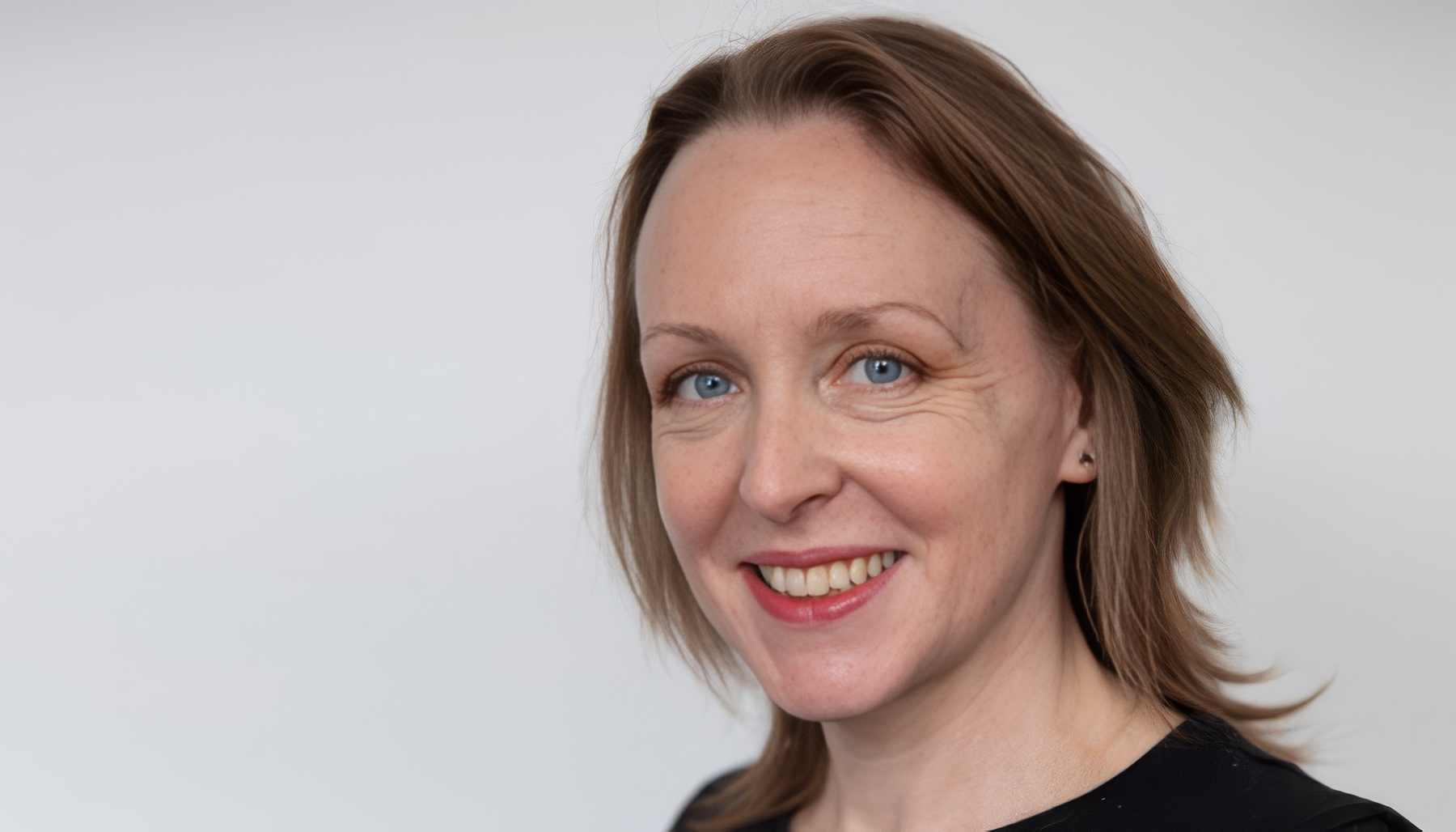
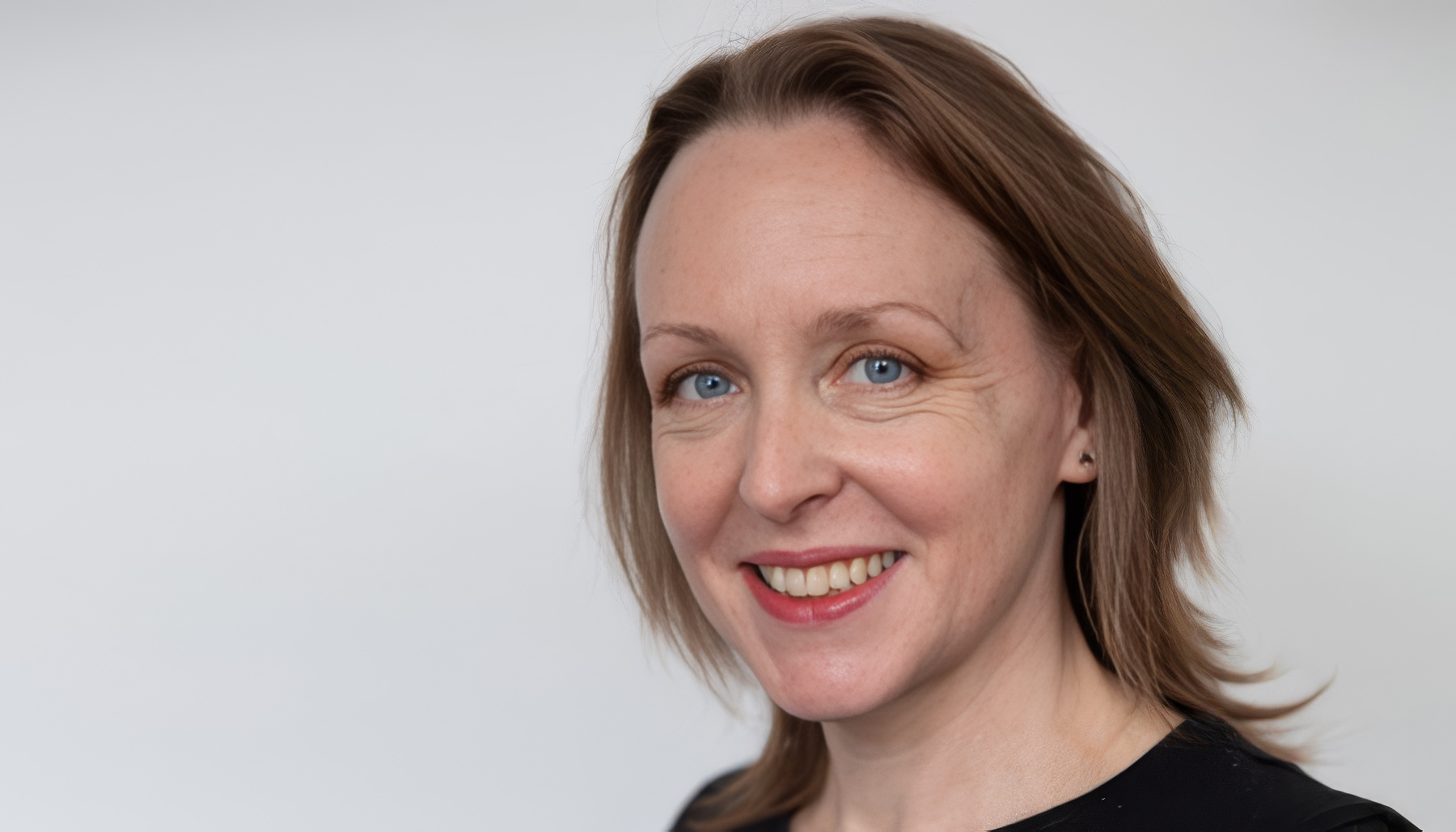
Many organisations now recognise the value of neurodiversity, yet still struggle to translate intent into day-to-day practice. Rachel Morgan-Trimmer works with organisations to bridge that gap. Speaking to the Diversity and Inclusion Speakers Agency, she shares her perspective on building workplaces that are inclusive by design, the cultural shifts that make inclusion effective, and the practical changes that allow people to do their best work.
From an organisational and performance perspective, how does neurodivergence typically present itself in the workplace, and where do organisations most often struggle to respond effectively?
Neurodiversity is a topic that’s been talked about more and more these days, and I think the way we’re seeing it in the workplace is that workplaces are becoming much more accepting and inclusive of neurodiversity, but they don’t always know how to get it right.
Which is a lot of what my job is about, helping clients understand neurodiversity, what it involves, what it doesn’t involve, what it might look like, and the benefits of having a neurodiverse-friendly workplace and a neurodiverse-inclusive workplace.
So, when we talk about neurodiversity, we’re talking about autism, ADHD, dyslexia, dyspraxia, and dyscalculia. All of those conditions come with challenges, but they also come with a large number of benefits as well. It’s those strengths of brilliant neurodivergent people that we encourage businesses to tap into.
What impact does a genuinely neurodiverse and inclusive approach have on workplace culture, productivity, and wider organisational performance?
One of the brilliant things about being inclusive, and this is inclusive generally, not just neurodiversity, is that it benefits everybody in the organisation. You see that time and time again.
Whenever you look at the most diverse and the most inclusive workplaces, you will see that ripple effect of people who are not necessarily from marginalised groups actually benefiting from companies being proactive and inclusive when it comes to diversity.
You see this quite significantly in a neurodiversity-friendly workplace because neurodivergent people are the only skills-based marginalised group. We’re the only ones who have specific skills and talents, as well as challenges that might come with our conditions, whereas the other groups don’t.
So, when you’re looking at the benefits of inclusion for neurodivergent people, you find that everybody in the organisation benefits, whether they’re neurodivergent or neurotypical.
One specific way that we find people benefit from a neurodiverse-inclusive workplace is through the idea of systemic inclusion. It’s a rather dry term, isn’t it, systemic inclusion? What it actually means is that you make the places inclusive for everyone.
You don’t have special things over here for the special people and everything else for the normal people over here. You build a culture where everybody’s included and celebrated, no matter their neurodivergence, no matter their background, no matter who they are, just what they can bring to the workplace.
We find that when you do that, when you offer these reasonable adjustments or accommodations, you offer them to everybody, and then everybody can benefit. One very simple example is flexible working.
You might put that in place for your neurodivergent staff so they don’t have to travel in the rush hour, or they can work according to their own sleeping and waking schedule, which might be quite different from that of a neurotypical person.
But you find that everybody benefits from that, whether it’s someone who’s got to pick their kids up, someone who might have to have a hospital appointment, or even something as basic as waiting in for the electrician.
That’s a brilliant thing about inclusion. It’s not just that you’re helping a marginalised group. Very much, everybody benefits.
What practical, low-cost adjustments can organisations implement to create a more inclusive environment without overhauling existing structures?
There are loads of things that businesses can do to be inclusive. None of them are very big, expensive, or complicated. In fact, a lot of them are simple, cheap, easy adjustments that can be implemented.
I wouldn’t say without a second thought, because you do have to put a bit of thought into it. That’s probably the biggest thing you have to do, just actually think about it. What might be helpful here?
A lot of it is about talking to that neurodivergent employee as an individual, because although we share characteristics, we are individuals, and asking them what they might like. One key adjustment a business could make is giving people control over the environment.
A lot of neurodivergent people like natural light, so they might like to sit in front of a big window or near a window. People with ADHD like it because we have a very poor sense of time, so if we can see where the sun’s going across the sky, that really helps us keep track of things.
For some of us, we like seeing outside and being close to nature, which we find very regulating. But for other neurodivergent people, we might concentrate better in a darker, quieter space.
So being able to choose your space, and maybe choose things like how to operate the blinds, whether they’re up or down, or being able to work from home, can be very useful. Giving people control and flexibility over their environment, over how they work and where they work, can be quite a simple change that businesses can implement.
Most people don’t think about that sort of thing. They don’t think it’s that important, or it’s never occurred to them to offer these things. But it’s something that’s easy and doesn’t cost anything, because you’ve probably got those spaces already.
What are the most common barriers organisations face when trying to build inclusive workplaces, and how can leaders overcome hesitation or uncertainty around getting started?
One of the key challenges that I find when talking to businesses about neurodiversity and inclusion is that they often don’t know where to start, or they’re afraid to start making changes in case they offend people or upset people. There are a few people as well who think that once you start the ball rolling, it’s going to get out of control and everyone’s going to want everything. That just doesn’t happen.
Some people think they have valid concerns, that it might be difficult, that there might be challenges. Those concerns are valid, and I don’t think we should shy away from them. I think we should address them head-on.
Yes, you might have challenges, but they tend to be fairly easy to manage, and not just to manage, but to enable neurodivergent employees to thrive, not just survive, but to thrive and actually do their best work.
I think the most common challenge is that people just don’t know where to start. That’s what we try to address with our talks and our training, to get people a little bit more comfortable with it and used to talking about it. It’s not a big, scary thing. It’s something to be enjoyed.
Inclusion isn’t about being dry and boring and having to do this and mustn’t do that. None of that is fun or interesting to me. I think it should be about enjoying inclusion, enjoying being able to do a great job, enjoying going to work, and enjoying the people around you.
Because once you start being inclusive, you get to know people, and you get to know just how fun, interesting, and productive people can be.
Source link
#Rachel #MorganTrimmer #firms #adapt #culture #embrace #neurodiverse #talent

